
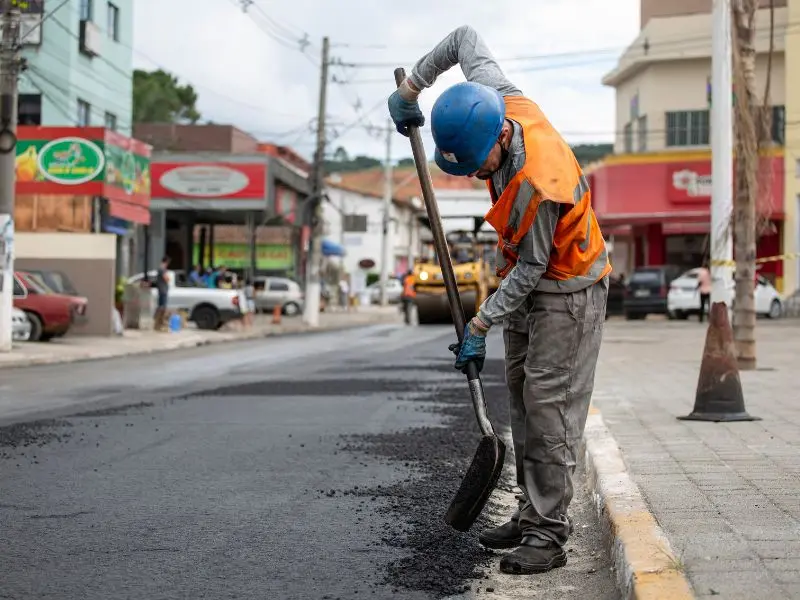
Whether it’s a sleek asphalt driveway, a concrete parking pad, or a stretch of private laneway, pavement is one of those things we often take for granted—until it starts to crack, crumble, or fade.
In a place like Elora, Ontario, where freezing winters meet humid summers, the elements are constantly working against your pavement’s longevity. Add in daily wear from vehicles, foot traffic, and the occasional snowplow, and you’ve got a surface that demands care if you want it to last.
The good news? With the right maintenance routine and a few smart choices along the way, you can easily add 5–10 years to the life of your pavement. That means fewer costly repairs, better curb appeal, and a smoother ride every season.
In this guide, we’ll walk you through:
- How Elora’s climate uniquely affects paved surfaces
- What steps to take throughout the year to prevent damage
- The importance of sealing, cleaning, and drainage
- When to repair, when to resurface, and when to call in the pros
Whether you’re a homeowner trying to protect your driveway or a business owner managing a parking lot, this guide will give you the tools to protect your investment and keep your pavement in top shape for the long haul.
How Ontario Weather Impacts Your Pavement
If you live in Elora, you already know that Ontario weather doesn’t play nice with outdoor surfaces. But when it comes to your pavement, the elements don’t just cause surface-level wear—they can break it down from the inside out.
Let’s talk about the biggest environmental culprits in southern Ontario and how they slowly chip away at your driveway or parking pad.
Freeze-Thaw Cycles: The Silent Destroyer
This is the big one. During fall and spring, when temperatures fluctuate above and below freezing, moisture seeps into tiny cracks, freezes, expands, and forces the pavement to crack wider. It’s like nature’s wedge, working slowly but effectively to break your surface apart.
In Elora, we can experience dozens of freeze-thaw cycles in a single season, and the cumulative damage adds up fast—especially in older or untreated pavement.
Water Infiltration: More Than Just a Puddle
When your pavement isn’t properly sealed or sloped, water doesn’t just sit there—it seeps into the base layers. That weakens the structural integrity, causes depressions, and eventually leads to potholes or heaving. Add salt and melting snow into the mix, and you’ve got a recipe for rapid erosion.
UV Exposure: Fading and Brittleness
While not as destructive as freezing temps, constant sun exposure causes asphalt to oxidize and fade. Over time, this weakens the binding oils in the pavement, making it brittle and prone to cracking.
UV rays also dry out sealant, meaning re-sealing becomes even more essential during sunnier seasons.
Snow Removal Equipment: Necessary Evil
Snowplows, shovels, and salt spreaders are essential in Elora winters—but they can also scrape, gouge, and wear down pavement surfaces. Using metal-edged tools too aggressively or applying salt repeatedly can shorten your surface’s lifespan.
Ontario’s climate is tough on pavement, but understanding the threats is the first step toward protecting against them. Seasonal maintenance isn’t optional here—it’s essential.
Choosing the Right Type of Pavement from the Start
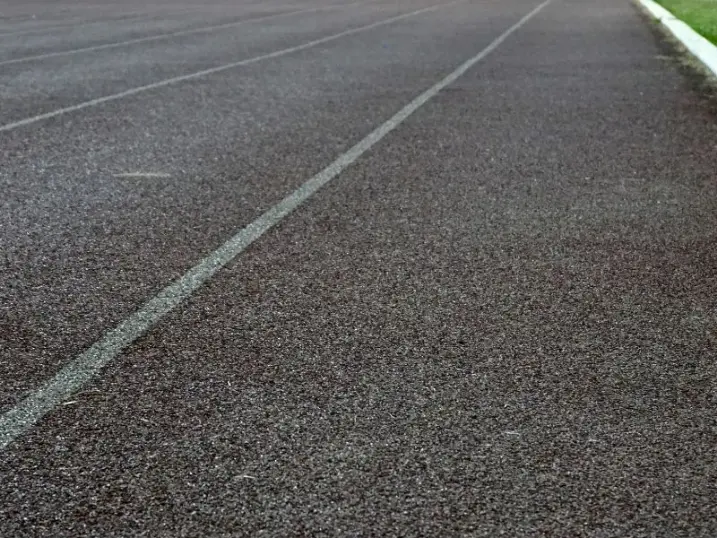
If you’re laying new pavement—or thinking about replacing old asphalt or concrete—it pays to choose the right material for Elora’s conditions. Why? Because the material you choose determines how much maintenance you’ll need and how long your surface will actually last.
Let’s break down the pros, cons, and ideal uses for both asphalt and concrete, the two most common pavement types in residential and commercial settings.
Asphalt: Flexible, Affordable, and Winter-Friendly
Pros:
- More flexible—better for freeze-thaw conditions (it contracts and expands more easily)
- Faster installation—can be ready for light use in just a couple of days
- Cost-effective—generally cheaper upfront than concrete
- Easier to repair—individual cracks or sections can be patched and resealed
Cons:
- Requires more frequent maintenance (sealcoating every 2–3 years)
- Softens in extreme heat, making it more prone to impressions
- May not last as long without diligent upkeep
Best for: Driveways, private lanes, and areas with frequent freeze-thaw cycles like Elora
Concrete: Stronger, Sleeker, but Less Forgiving
Pros:
- Longer lifespan (often 30–40 years with proper care)
- Low maintenance—no sealing required as often
- Handles heavy loads better (ideal for commercial lots or RV pads)
- Available in various finishes and styles (great for curb appeal)
Cons:
- More expensive upfront
- Can crack under shifting soil or winter expansion
- Repairs are more noticeable and harder to blend in
- Slippery when wet or icy unless textured
Best for: High-traffic areas, larger parking lots, or those prioritizing durability over flexibility
Pro Tip: If your property sees a mix of use (e.g., both cars and delivery trucks), some Elora property owners opt for a hybrid approach—using concrete in heavy-load zones and asphalt elsewhere.
Key Maintenance Steps to Extend Pavement Life
Once your pavement is in place—whether asphalt or concrete—maintenance becomes your first line of defense. Think of it like skincare for your driveway: a few simple routines done consistently can prevent serious damage and save you a ton of money in repairs.
Below are the most effective steps to extend the life of your pavement in Elora’s ever-changing climate.
1. Sealcoat Your Pavement Every 2–3 Years
Sealcoating is like sunscreen for your asphalt. It creates a protective barrier against UV rays, moisture, road salt, and vehicle fluids. In Elora’s climate, this should be done every two to three years—ideally in spring or early fall when the weather is dry and temperatures are moderate.
2. Fill Cracks as Soon as They Appear
Small cracks may seem harmless, but they’re open invitations for water to seep in, freeze, and expand, leading to larger fissures and potholes. Use cold-pour crack filler for minor lines and hot rubberized sealants for deeper cracks. Don’t wait for spring—fall crack-filling is essential before winter hits.
3. Sweep and Clean Seasonally to Prevent Surface Damage
Leaves, branches, and dirt trap moisture and slowly break down the surface underneath. Oil stains from parked cars also accelerate deterioration. Use a stiff-bristle broom or power washer at least once per season, and treat oil spots immediately with degreasers or absorbent material.
4. Direct Water Away with Proper Drainage
Pooling water is pavement’s worst enemy. Make sure your driveway is properly sloped to drain water away. Keep nearby gutters and drains clear of debris, and consider adding a French drain or trench if pooling is a recurring problem.
5. Avoid Parking Heavy Vehicles in the Same Spot
Repeated pressure in one area can create dips or premature cracking. If you have a trailer, RV, or work vehicle, rotate parking locations or use paving stones or boards under tires to distribute weight more evenly.
6. Control Weed Growth Around Edges
Weeds may seem harmless, but their roots can push through the surface and create cracks. Keep edges trimmed, and apply a safe, non-toxic herbicide seasonally to stop growth before it starts.
7. Use De-Icers That Won’t Eat Away at Your Asphalt
Salt is effective, but corrosive. Opt for calcium magnesium acetate or beet juice-based de-icers, which are gentler on pavement. Avoid metal snow shovels and plows when possible, or use rubber-edged blades for driveway maintenance in winter.
Bonus Tip: Schedule a “pavement day” twice a year, once in spring and once before winter, to tackle sealcoating, crack filling, and a good deep clean.
Why Regular Inspections Matter (Even for Newer Pavement)
Just because your pavement looks fine doesn’t mean it’s in the clear. Surface wear can sneak up slowly, and by the time visible damage shows, water has likely already been at work underneath. That’s why regular inspections—yes, even for newer pavement—are so important.
Think of it like going to the dentist: routine checkups now help you avoid big, painful issues later.
What Should You Be Looking For?
Take a slow walk across your driveway or lot every 3–6 months, ideally in early spring and late fall. Look out for:
- Hairline cracks forming or widening
- Dips, waves, or soft spots underfoot (early signs of base failure)
- Pooling water after rainfall (drainage issues)
- Oil stains or vehicle fluid spots that could weaken the surface
- Crumbling edges or weeds creeping in from the sides
Use a flashlight in shaded or uneven areas—it helps spot subtle cracks you might otherwise miss.
What If You Find a Problem?
Don’t panic. If it’s minor, you can usually DIY:
- Use crack filler or patch kits
- Apply degreaser on stains
- Reseal edges or joints with fresh sealant
For anything structural—like severe cracking, sinking, or drainage issues—it’s best to bring in a local paving contractor to assess.
Pro Tip: Keep a notebook or take photos during each inspection. That way, you’ll notice changes over time and can tackle problems early, before they turn into costly repairs.
Resurfacing vs. Full Replacement: Know the Signs
At some point, no matter how well you’ve maintained it, your pavement will need more than just a touch-up. The big question is: can it be resurfaced, or is it time to start from scratch?
Understanding the difference between resurfacing and full replacement can save you thousands of dollars—and help you make the right call at the right time.
What Is Resurfacing?
Resurfacing is when a new layer of asphalt or concrete is applied over the existing surface. It smooths out imperfections, seals minor cracks, and extends the life of your pavement without digging up the base.
Best for:
- Pavement with surface wear but a strong, intact base
- Driveways with mild cracking, fading, or minor potholes
- Owners looking to buy time (typically adds 8–15 years of life)
When Full Replacement Is the Only Option
If the base is compromised or damage is extensive, resurfacing will only mask the problem. In that case, the only real fix is full replacement—removing the existing pavement entirely and rebuilding from the ground up.
Signs you need full replacement:
- Deep or alligator cracking across large areas
- Drainage issues that persist even after patching
- Multiple potholes or soft spots indicate base failure
- Pavement over 20–30 years old with a poor maintenance history
Yes, it costs more up front—but it’s the better investment if your current surface is beyond saving.
Pro Tip: If you’re unsure, bring in a local paving expert for a core sample test—they’ll drill down to inspect the base layers and give you a clear answer.
Hire Local: Benefits of Working with Elora-Based Paving Contractors
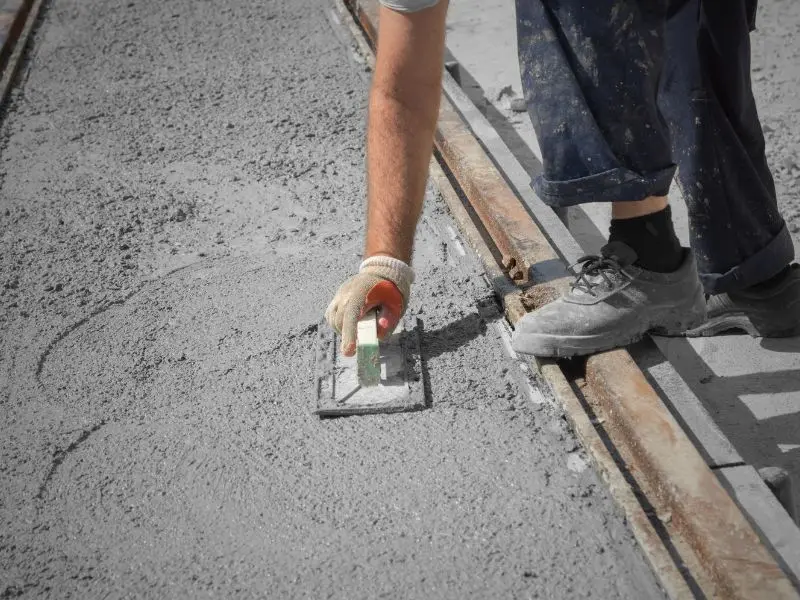
When it’s time to repair, resurface, or fully replace your pavement, who you hire matters just as much as what you do, and in a town like Elora, going with a local paving contractor isn’t just convenient—it’s a smart, strategic move.
Here’s why choosing someone who knows the area can save you time, money, and long-term frustration.
Local Experts Understand Local Conditions
Elora’s climate is unique. From harsh freeze-thaw cycles to heavy spring rains, your pavement is up against serious stress. Local contractors are familiar with:
- The best materials for our soil and weather
- Drainage solutions that work in Wellington County
- Timing projects to avoid seasonal pitfalls (like early frosts or wet summers)
They’ve seen how Elora’s environment affects pavement—and they plan accordingly.
Access to the Right Tools and Local Suppliers
Local paving companies often work with regional suppliers, meaning you get:
- Faster delivery of materials
- More consistent pricing
- Products that are formulated for Ontario’s climate
They also know where to get specialty blends, eco-friendly options, and newer technologies like permeable asphalt.
Personalized Service and Reputation on the Line
Unlike big out-of-town firms, Elora-based contractors rely on word-of-mouth and community reputation. That means:
- More transparent pricing
- Greater attention to detail
- A higher likelihood that they’ll stand behind their work
They live and work in the same community, so they’re motivated to do it right the first time.
Pro Tip: When hiring a contractor, ask:
- How long have you worked in Elora/Wellington County?
- Do you have references from past jobs in the area?
- What materials do you recommend for this type of project here?
Local knowledge = longer-lasting results.
Mistakes That Shorten Pavement Life (and How to Avoid Them)
Even the best pavement in Elora won’t last if it’s neglected—or worse, unintentionally damaged by everyday habits. Some of the most common issues we see aren’t caused by weather, but by avoidable mistakes homeowners and property managers make without even realizing it.
Let’s break down the big pavement killers—and what you can do instead.
Mistake #1: Skipping Sealcoating
Going too long without sealing allows water, UV rays, and vehicle fluids to slowly erode your asphalt. Elora’s seasons are harsh, and skipping this step can cut your pavement’s lifespan in half.
Fix: Schedule a sealcoat every 2–3 years, and plan around Elora’s mild spring or fall weather for best results.
Mistake #2: Ignoring Small Cracks
A tiny crack in April becomes a crater by February. Waiting too long to act lets moisture in and freeze-thaw cycles do their dirty work.
Fix: Fill cracks right away, especially before winter. It’s the most affordable preventative maintenance you can do.
Mistake #3: Poor Drainage Design
Water that pools or flows toward your pavement erodes the base and causes premature cracking and sinking.
Fix: Make sure your lot or driveway has a proper slope and drainage system. Add trench drains or French drains where needed.
Mistake #4: Using Harsh De-Icers or Salt
Standard rock salt might keep you upright in January, but it can be brutal on pavement, especially asphalt.
Fix: Use eco-friendly or asphalt-safe alternatives like calcium magnesium acetate or beet brine mixes.
Mistake #5: Parking Heavy Vehicles in the Same Spot
Even the strongest surface wears down under repeated, focused weight.
Fix: Rotate where you park large vehicles or trailers, or use load-distributing supports under tires.
💡 Pro Tip: Snap a quick photo of your pavement each season. It makes spotting gradual damage easier and keeps you on top of maintenance before problems escalate.
Conclusion: Protect Your Driveway, Protect Your Property Value
Pavement might not be the flashiest feature of your property, but it’s one of the most heavily used and easily overlooked. From driveways to walkways to commercial lots, these surfaces play a big role in your property’s value, curb appeal, and daily function.
And here in Elora—where freeze-thaw stress, seasonal storms, and salt are part of life—taking care of your pavement isn’t optional. It’s essential.
Let’s Recap the Key Moves:
- Choose the right material for your climate and property needs
- Seal and repair regularly to prevent minor issues from becoming major ones
- Keep surfaces clean and drain water away
- Avoid harsh chemicals and heavy loads on soft spots
- Inspect often and work with local professionals who know Elora’s conditions
Whether you’re protecting a brand-new driveway or trying to squeeze a few more years out of an older surface, these tips will help you save money, reduce stress, and keep your pavement looking sharp.
Need a fresh coat of paint for your pavement in Elora?
We’re here to help. At Topline Pavement Services, we use quality materials and sharp layouts to make your space safer, cleaner, and easier to use. Call us today or fill out our quick online form to get your free quote and book a visit.
Guide to Extending the Life of Your Pavement – FAQs
What role does regular maintenance play in the lifespan of your pavement?
Regular maintenance helps your pavement last longer. Cleaning, sealing cracks, and adding a protective layer all slow down wear and tear. These small tasks prevent bigger problems. They also keep up the appearance of your pavement and save you money in the long run. Get in touch and a member of our Topline team will answer your questions.
When is the best time to carry out asphalt maintenance in Elora?
The best time to do asphalt maintenance in Elora is during the warmer months. Warm weather helps materials stick and dry better. That makes things like crack sealing more effective. It also gives your asphalt pavement a better chance to hold up over time.
How do oil spills and chemical spills affect your asphalt surface?
Oil spills and chemical spills damage the asphalt surface by breaking down the top layer. This weakens the area and can create uneven surfaces. If left alone, these spots can get worse. Cleaning them quickly helps protect the look and strength of the pavement.
What can homeowners do to prevent further damage from heavy traffic and temperature fluctuations?
To stop further damage from heavy traffic and temperature changes, seal the surface and make timely repairs. This adds a layer that protects your asphalt from water and weather. These steps help keep your pavement in top condition and prevent expensive repairs.
Is crack sealing enough to prevent further deterioration of asphalt paving?
Crack sealing helps prevent further deterioration by keeping water and dirt out of small cracks. It won’t fix deeper problems, but it slows the damage. It also adds to the lifespan of your asphalt paving when combined with other care. At Topline, we provide premium sealcoating services for businesses across Elora.
Why should commercial property managers in Elora prioritize asphalt care?
Commercial property managers should focus on asphalt care to avoid full reconstruction later. Regular upkeep keeps the area safe and usable for longer. It also lowers long-term costs and protects the lifespan of asphalt used in busy commercial areas. At Topline, we offer premium painting services for your asphalt surfaces in Elora and beyond.